What is Minimally Invasive Cardiac Surgery?
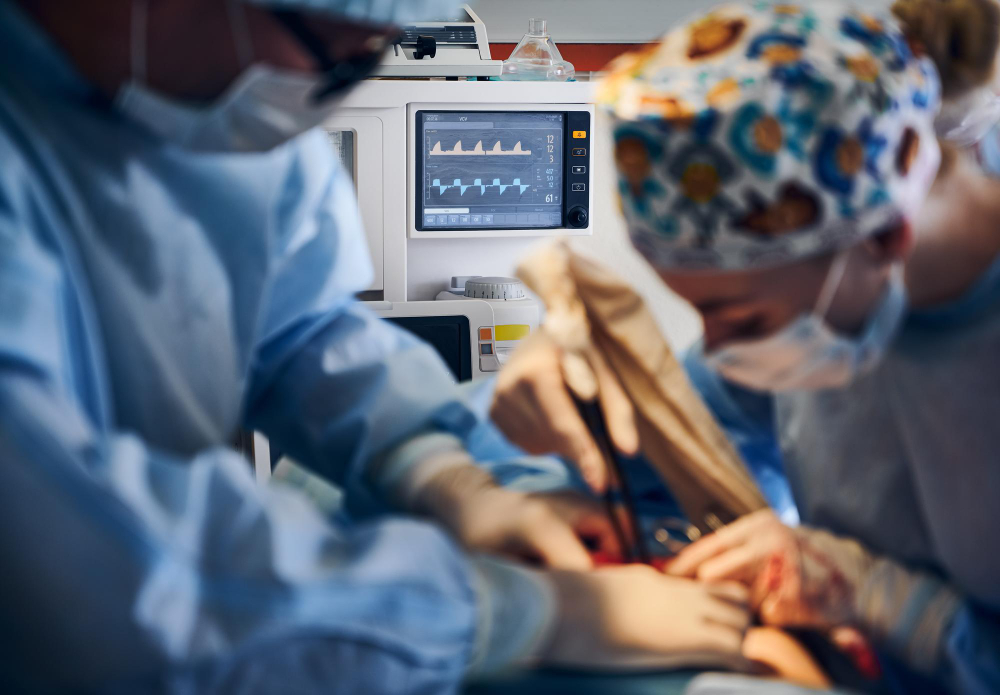
Minimally invasive cardiac surgery is a modern way to treat heart problems. Unlike traditional open-heart surgery, doctors use small cuts and special tools. As a result, the chest is not opened wide. Instead, surgeons work through small openings between the ribs. This method is becoming more common in the United States and around the world. Many people choose it because it often means less pain and a faster recovery.
Common Types and Procedures
There are several types of minimally invasive cardiac surgery. Each one treats different heart issues. For example, some common procedures include:
Doctors may use robotic arms or cameras to help them see and work inside the chest. Because of these tools, the surgery is very precise.
Benefits Compared to Traditional Surgery
Minimally invasive cardiac surgery offers many benefits. For instance, patients often experience:
Additionally, many people feel more comfortable with this option. According to the American Heart Association, these surgeries can be as safe and effective as open-heart surgery for many patients.
Who is a Candidate?
Not everyone is a good candidate for minimally invasive cardiac surgery. However, many people with certain heart conditions may qualify. Doctors will look at:
Sometimes, traditional surgery is safer. Therefore, your heart specialist will help decide the best option for you.
Preparation and What to Expect
Before surgery, your doctor will explain the steps. You may need tests, such as blood work or heart scans. These help the team plan your care. On the day of surgery, you will get medicine to help you relax or sleep. The surgeon will make small cuts and use special tools. Most surgeries last a few hours. Afterward, you will rest in a recovery area. Nurses will watch you closely to make sure you are safe.
Recovery Process and Aftercare
Recovery from minimally invasive cardiac surgery is often quicker than with open-heart surgery. For example, you may:
Even so, you should follow your doctor’s advice. Take all medicines as directed. Attend follow-up visits. If you notice fever, chest pain, or trouble breathing, call your doctor right away. Cardiac rehab may also help you regain strength and confidence.
Risks and Possible Complications
Every surgery has risks. Minimally invasive cardiac surgery is generally safe, but problems can happen. For instance, possible risks include:
However, your care team will watch for these issues and treat them quickly if they arise. Most people recover well and enjoy the benefits of this approach.
Frequently Asked Questions
For more information, you can visit trusted sources like the American Heart Association or the Centers for Disease Control and Prevention.
Consult a cardiac specialist for personalized advice on minimally invasive cardiac surgery.